The reality of clean energy contracting in Canada

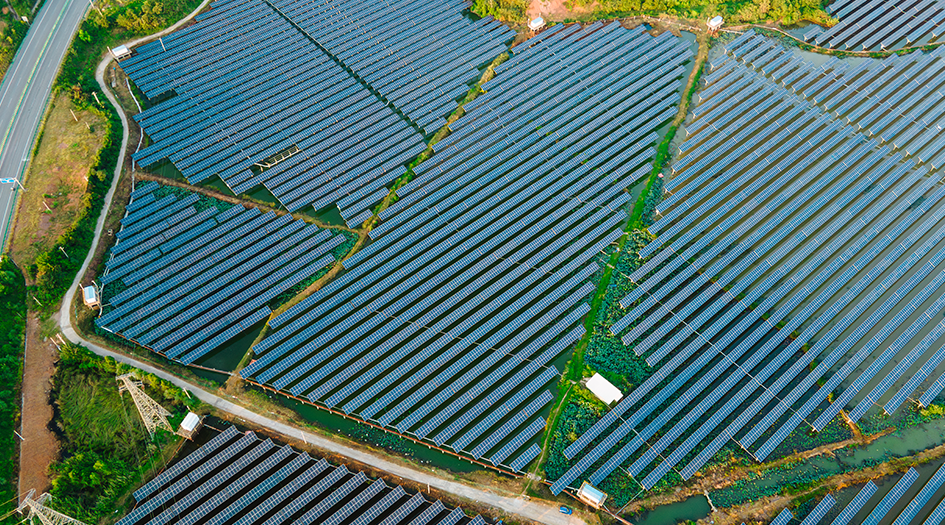
Canada's transition to a lower-carbon economy is creating new opportunities for contractors across the country. As businesses, municipalities, and developers invest in renewable energy and electrification projects, the demand for specialized expertise continues to grow.

For many contractors, expanding into Canada's clean energy sector is a natural next step. Federal investments, municipal net-zero initiatives, and the rapid adoption of technologies such as solar power, battery storage, and EV charging infrastructure are creating a steady pipeline of new projects.

As contractors take on this specialized work, they may encounter different equipment, project scopes, and contractual requirements than those found in traditional commercial projects. From working at greater heights and managing complex grid connections to transporting high-value components, these projects often introduce new operational considerations.

Understanding how these changes affect your business, including your insurance needs, can help ensure you're well positioned to take advantage of new opportunities with confidence. Coverage that reflects the unique realities of clean energy projects can provide the support and flexibility needed as your business grows in this rapidly expanding sector.

Key takeaway

Standard Commercial General Liability (CGL) policies rarely provide all the protection a clean energy contractor requires. Common exclusions around professional design input, environmental pollution, and transit damage can expose your business to significant financial risk.

Your essential clean energy insurance checklist

Large-scale renewable projects involve massive capital investments, tight completion schedules, and strict regulatory oversight. Developers will not risk project delays or liability disputes on an underinsured trade.

If your certificates don't line up with the specific indemnification and liability clauses in the tender documents, your proposal could fall through before the engineering review even starts.

To help ensure your business is adequately protected, here is a practical breakdown of how key insurance coverages apply to real-world clean energy work:


Coverage area

What it protects against

Why you need it

Required by contract?

Commercial General Liability (CGL)

Third-party bodily injury and property damage from your operations.

A tool is dropped from a roof during a solar panel install, injuring a person or damaging the client's property.

Yes (Typically $2M to $5M minimum) frequently with umbrella or excess layers.

Contractors Pollution Liability (CPL)

Environmental damage from your work, like soil contamination or chemical leaks, and civil liability caused by your work.

During geothermal drilling, you accidentally contaminate an underground water source, or a battery storage system leaks hazardous materials.

Yes (Often required for any work that breaks ground).

Professional Liability (E&O)

Financial losses caused by mistakes in your professional advice, design, or engineering calculations.

Your team designs a solar racking system that can't handle the local snow load, causing it to fail.

Highly recommended (especially for design-build work). CGL mostly excludes claims arising from professional advice or design specifications

Commercial Cargo

Physical damage, theft, or loss of high-value equipment and materials in transit or laydown yards.

A shipment of commercial inverters is stolen or damaged in transit to the job site before they can be installed.

Yes — critical for high-value goods and often required by developers to protect their investment.

Builder’s Risk / Installation Floater

Physical loss or damage to the project structure, civil works, and uninstalled equipment or materials while on-site or in staging areas.

A severe windstorm or hail destroys partially installed solar arrays and racking systems mid-construction.

Yes. All-risk Course of Construction (COC) coverage is mandatory for project financing and developer-contractor agreements.

Delay in Start-Up (DSU)

Lost anticipated revenue, soft costs, ongoing fixed expenses, and debt servicing costs resulting from a project completion delay.

A fire at the main substation delays your commercial operation date (COD) by four months, meaning debt payments are due but you cannot sell energy.

Yes — Almost universally required by lenders and project sponsors for project-financed infrastructure.

Equipment Breakdown / Business Interruption

Sudden, accidental, mechanical, or electrical failure during testing or early operations.

An electrical surge destroys a new EV charging hub during testing, delaying the project and causing lost revenue.

Recommended. Protects your cash flow from unexpected failures.


Understanding location-specific insurance considerations

Clean energy projects are built in a wide range of operating environments across Canada. When reviewing your insurance coverage, it's important to consider how regional weather patterns, site conditions, and project locations may influence project requirements and exposures.

  • Heavy snow load & ice damming: solar racking systems in northern and interior climates must endure extreme freeze-thaw cycles that test roof integrity and cable harness durability.
  • Severe wind & hail: thunderstorms can subject tracker systems and wind components to microbursts and large hail strikes, turning minor installation flaws into catastrophic system losses.
  • Property at risk in the open: unprotected assets, staging yards, and ground-mounted components face severe open-air degradation. High ultraviolet radiation in high-altitude regions accelerates the brittleness of exposed wiring, while rapid thermal cycling, such as Western Canada's sudden Chinook winds, causes physical warping and micro-fractures in structural steel and glass kept unsheltered during construction.
  • Remote logistics: geothermal, hydro, or wind projects in remote locations face extended lead times for replacement parts, turning a minor shipping accident into months of costly downtime.


Next steps: reviewing your policies

Winning lucrative clean energy contracts shouldn't require taking on unmanaged corporate risk. With the right insurance program in place, your business can bid aggressively, knowing your operations, cash flow, and reputation are protected.

  • Audit your current policies: pull out your existing commercial package and review your exclusions regarding professional design, pollution, and high-voltage operations.
  • Talk to your insurance broker: share your upcoming project scopes, design responsibilities, and subcontractor agreements with an independent insurance broker who understands the commercial construction and alternative energy sectors. They can help you identify potential coverage gaps and secure the endorsements you need to stay protected and bid-ready.

Related Blog Posts

View All Blogs
View All Blogs
find a broker near you

Are you a group insurance customer? Contact your group’s administrator or broker.

Like our articles? Subscribe to our blog newsletter